Ask Chris Farren how he feels when he finishes an album and he won’t hesitate to respond with: “Miserable. Miserable. Miserable.”
At least, that’s how it’s been over the years he’s been writing and recording solo. When the time came to make a record, Farren would be overtaken by an unparalleled anxiety, forcing him into the home studio he describes as “barely bigger than a closet,” where he agonized over the minute details of his work in progress. “Looking back on those records… I have no good memories of making them,” he admits. “It’s always been a lonely, doubt-ridden process.”
It’s surprising to hear this, knowing Farren’s reputation as a prolific songwriter who made his name recording with Jeff Rosenstock in Antarctigo Vespucci and before that, the Floridian punk band Fake Problems. In 2014, Farren started releasing music under his own name all while continuing his project alongside Rosenstock, and his first album, Like a Gift From God or Whatever endeared him to fans of the now-defunct Fake Problems and new listeners who had yet to experience the delight of a new Chris Farren song. Like a Gift From God or Whatever was followed by Can’t Die and Farren’s Polyvinyl debut, Born Hot. Last year, Farren wrote what he describes as a soundtrack to a spy film he invented that will never be committed to film. Inspired by Marvin Gaye’s soundtrack to Trouble Man, Death Don’t Wait (Original Motion Picture Soundtrack) was a creative exercise, one Farren completed in mere months that stands apart from the extensive, at times arduous, process of making a Chris Farren album.
After releasing Born Hot in 2019, Farren knew he needed to make changes to the creative process, but he wasn’t yet sure how to. Enter Frankie Impastato, drummer of Macseal, who Farren met on tour and who became one of his dearest friends and confidants. He told Impastato about the misery, the barely-bigger-than-a-closet studio, the barren memory chest, and together they hatched a plan: they’d make Farren’s next album together. So, Farren got in touch with multi-instrumentalist/producer, and Jay Som mastermind, Melina Duterte (also, a Polyvinyl labelmate), who invited him by her studio where she’s collaborated with a steady stream of notable artists since first opening it in 2020. That’s where Doom Singer, his new full-length album due out August 4th, would be made.
“Looking back, I feel bad, because Melina brought me in to show me her space and was describing the gear to me and I was totally checked out,” Farren says. “I mean, the space is amazing, she’s super talented, but I told her: ‘I don’t care about any of this stuff. I just want to make a record with you and have fun. I want to make a record and have a good time.’”
Collaboration not only untethered Farren from his misery (fun was had) but also his overbearing need to control every aspect of the creative process. While on previous albums like 2019’s Born Hot or 2016’s Can’t Die Farren might’ve spent hours on end tweaking a single canned drumbeat, Impastato’s live drums offer a spontaneity that breathed new dimensionality into the Chris Farren project. He wanted this new effort to be “bombastic,” to sound like it could fill the immense negative space of an arena. “I wanted to open these songs up, make them less frenetic, and not feel the pressure to cram every moment,” he says. You hear that impulse on lead single “Cosmic Leash,” which opens with a wall of sound that careens to a halt, as Farren delivers his interlude over the slight strumming of a guitar. That sense of reprieve lasts only a moment, before the enormous chorus shreds through the silence as Farren wails: “Change your heart/ Wait your turn.”
The choruses on Doom Singer are all like this, huge, cathartic, catchy as hell, and inspired by what Farren describes as the “sixties-tinged girl group vibe, not retro, but playful” employed by Belle and Sebastian. “First Place” is a shining example, a song Farren describes as being about worrying you might grow apart from your partner and, “Not being able to cum because of Lexapro.” It’s hard to describe the single as anything but “jaunty,” the buoyancy of Farren’s delivery belying any sense of disquiet humming beneath its surface.
Farren says Doom Singer communicates an “optimistic nihilism,” and that lyrically, he’s trying to embrace nuances inspired by films like TÁR and I’m Thinking of Ending Things. “In these movies, the truth of the narrative isn’t handed to you, and it’s not easy to figure out where your sympathies should lie,” he says. Against certainty, Doom Singer opens with a confession. “I don’t remember how to do this,” Farren croons on “Bluish,” admitting to feeling codependent in his marriage, worried he is too much to manage, that his neuroses might disrupt a delicate domestic balance. It was the first song he wrote for the album and the one that determined its narrative course. We’re made to believe aging makes you wiser, but as Farren has grown into the prodigious songwriter you hear on Doom Singer, he’s only grown less certain. “I’m constantly processing the way I feel about things, and I didn’t want any of these songs to sound sure of themselves, or to communicate any clear message,” he says.
Citing My Bloody Valentine, TV on the Radio, and Camera Obscura as clear influences, Farren says he can’t listen to much music until it’s time to make a new record, but when it’s time, he submerges himself in music that moves him. “I wrote between fifty and eighty songs for this album,” he says. The final cut is as genuine, empathetic, and of course, funny, as Farren is, and though he claims nihilistic tendencies, it’s the dogged optimism that endures. On “All We Ever,” Farren compiles a list of things he wants (to stop paying rent, to love the government, to get drunk with friends) that accumulate into a three-minute reminder that no life is ever pristine, that there will always be wants unfulfilled, and that that’s okay.
“There will be struggle in everything. I’ll always be fighting with myself, and I need to find a certain peace with that,” he says, but on Doom Singer, Farren rejects closure, and he’s still seeking that sense of peace. Maybe we all are, whether we’re bold enough to sing about it or not.
All songs written by Chris Farren and Frankie Impastato, except “Only U” written by Chris Farren, Frankie Impastato and Celeste Taucher.
Produced, engineered and mixed by Melina Duterte in Atwater Village, CA.
Additional recording by Chris Farren at Wave 42.
Mastered by Jack Shirley at Atomic Garden in Oakland, CA.
Frankie Impastato played drums on every song. She also sings on “Bluish”, “My Beauty” and “Only U”.
Jeff Rosenstock played bass on “All We Ever”, “Get Over U” and “Screen Saver”, and saxophone on “Doom Singer” and “First Place”.
Melina Duterte played bass on “Only U” and “Statue Song” and sang on ”All We Ever”.
Mia Mazzaferro did group vocals with Melina, Frankie and Chris.
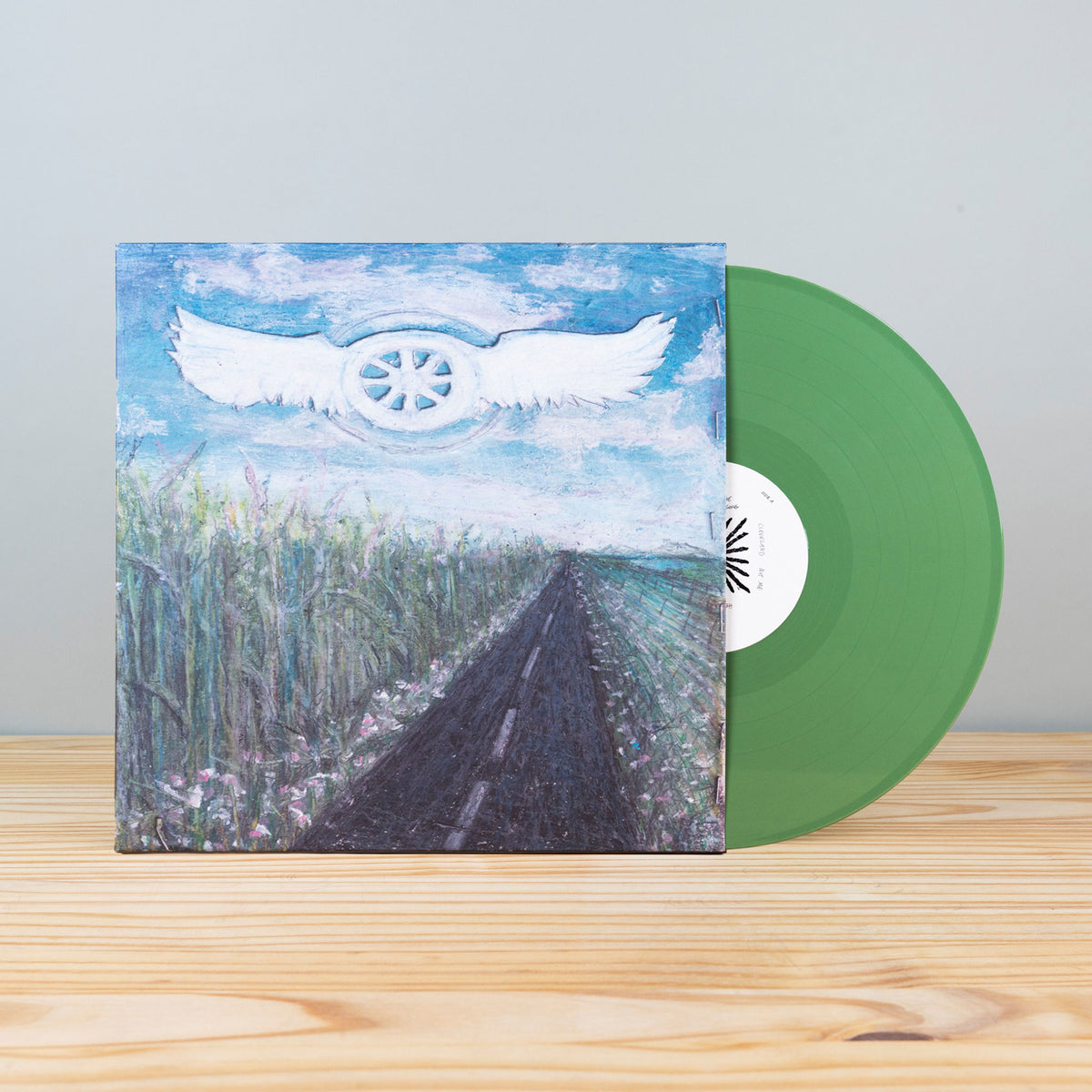
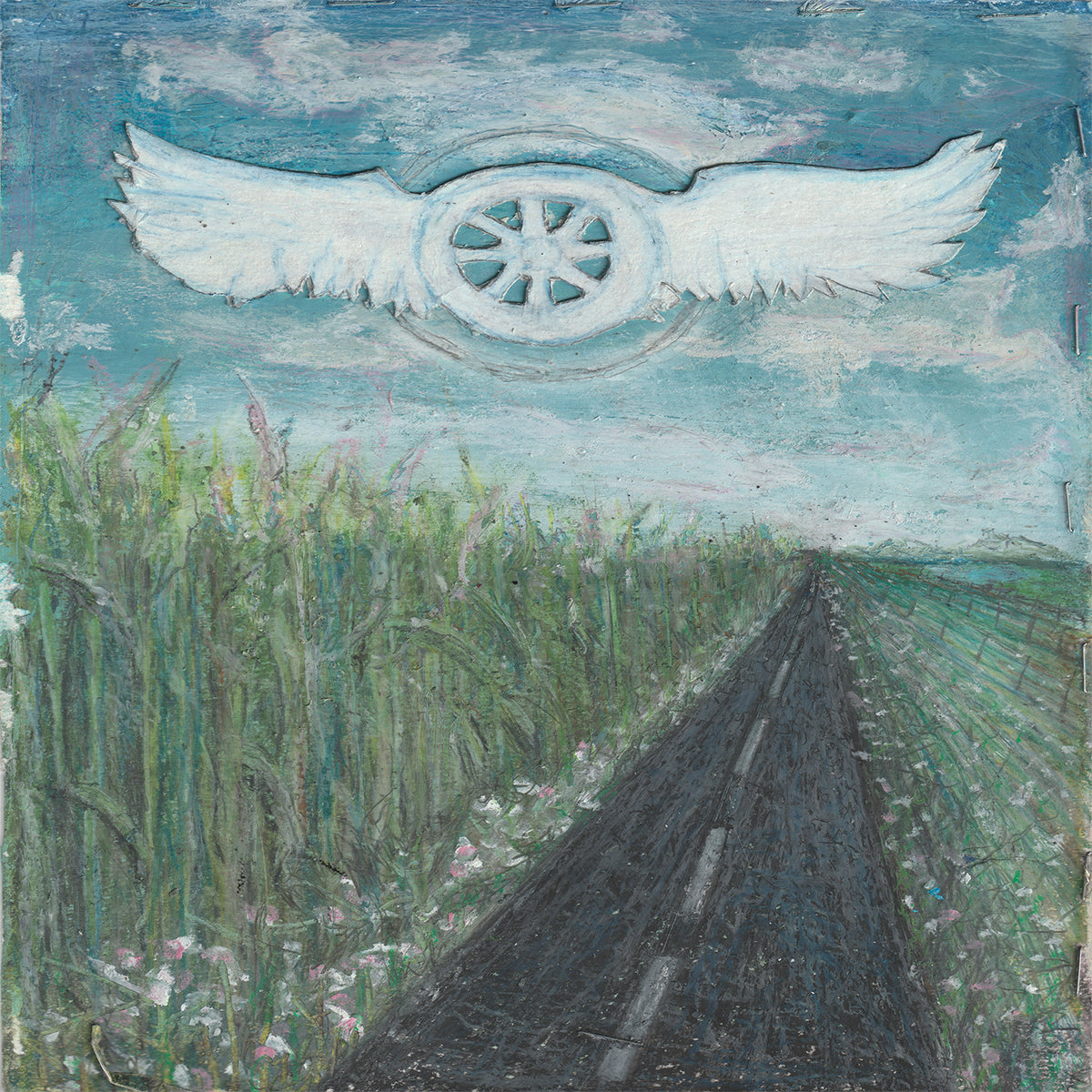
Album art and design by Chris Farren.